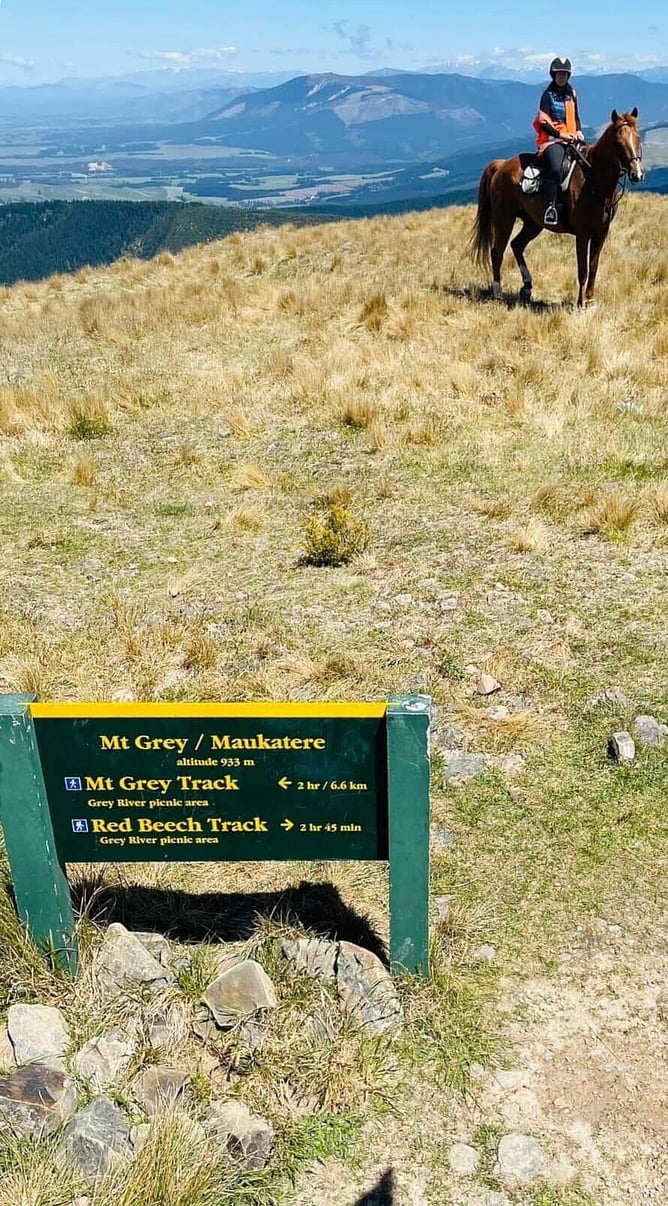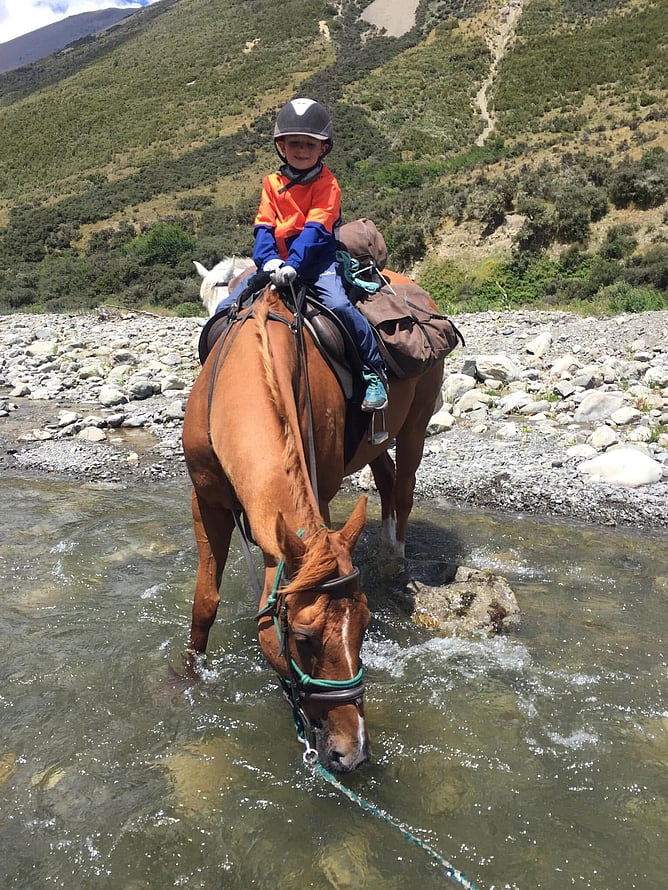
This is a welcome statement from new chief executive Dan Wildy who is leading the Crown entity responsible for maintaining, promoting and enhancing “public access to the outdoors for all recreationalists”.
Last month, as I sat listening to one of the Commission’s researchers share his findings on How council’s plan for access to nature, I was shocked to learn as part of discussion that there had been a review of the Commission carried out in 2018 - a requirement under the 2008 Walking Access Act - and amendments to the Act were sitting with MPI. Concern was expressed, and there was assurance given that despite the Act not specifically including horse riding, ”…the absence of the word horse riding or equestrian doesn’t preclude you from our services or assistance.” In fact, the Commission says it has used this 7-year period to implement recommendations that do not require further funding or legislative change.
None the less I wrote to the Minister in charge – the response was informative, but what stood out to me was the final paragraph.
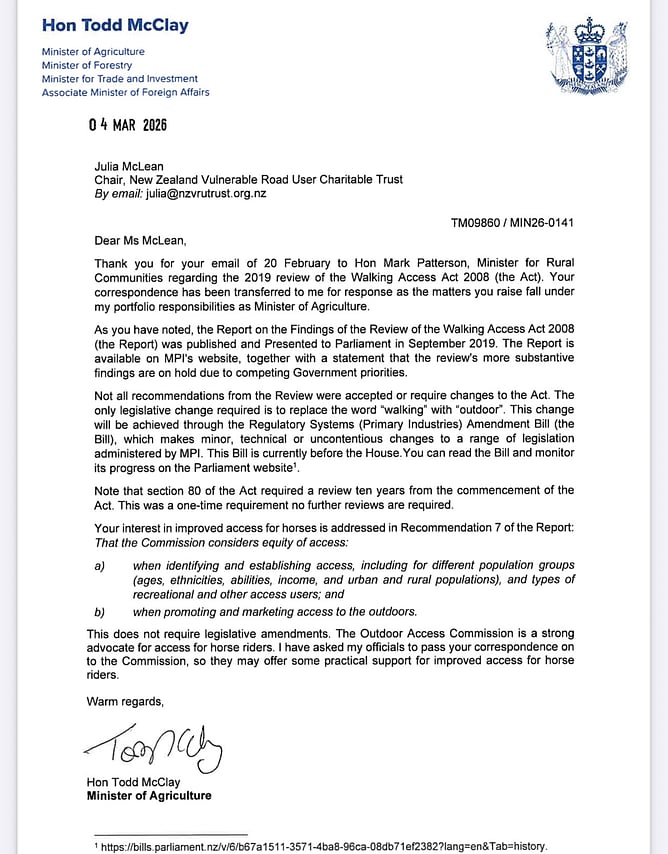
It was time for the horse-riding community to hear from the new chief executive of the Outdoor Access Commission. What has it been doing to support the statement made by Minister McClay and what does the future look like for equestrian access to the outdoors?
Why is inclusion of horse riders by the Commission so important?
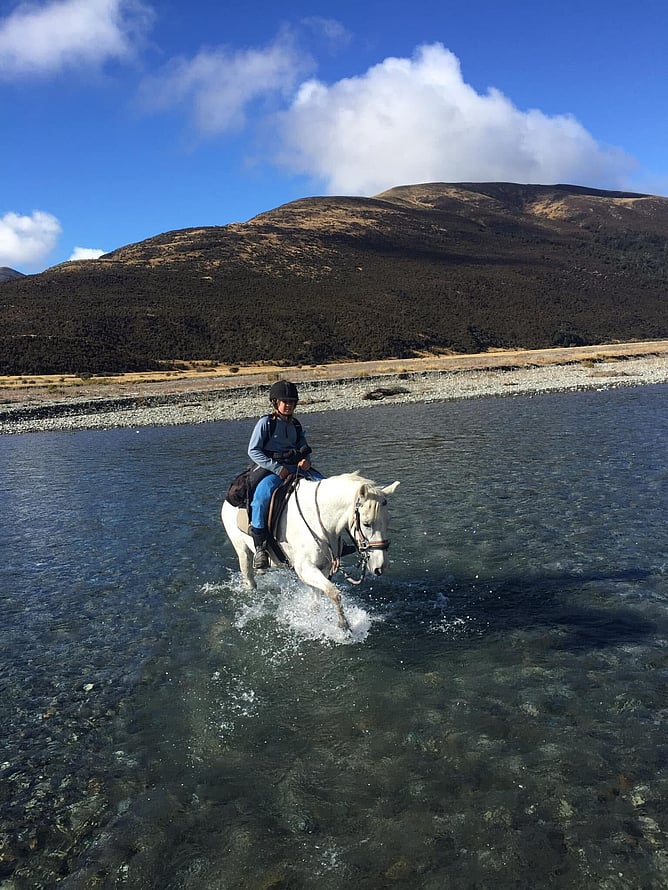
1. It operates on behalf of the Crown and the Crown as a duty of care to ensure all New Zealander’s can access and participate in community, irrespective of their mode of transport (feet, wheels, hooves).
2. In my mind there are two pieces of legislation that dictate horse rider inclusion or exclusion and have a direct impact on this sector of community’s ability to access safe places to exercise and enjoy their chosen recreational activity. The Land Transport (Road User) Rule 2004 and the 2008 Walking Access Act. Both go on to inform how the 76 territorial and regional authorities across New Zealand make provision for their constituents in nature.
This is why I tuned into the Commission’s research on How council’s plan for access to nature because the inconsistencies across the Local Government sector are apparent and acknowledged in this research. The researcher looked at strategies, plans and policies of six territorial authority’s – Kaikōura, Buller/West Coast, Christchurch, Southland, Kaipara and his findings made sense.
1. Engage with councils in their Long Term/ Annual Plans about community aspirations/goals and do this as soon as you hear of new projects or identify a need for a project/issue.
2. Relationships matter. Groups must work with, share, engage with decision makers to ensure their needs are understood.
3. If a council has a strategy or plan around how to manage access it generally has less issues in community as opposed to councils that do not.
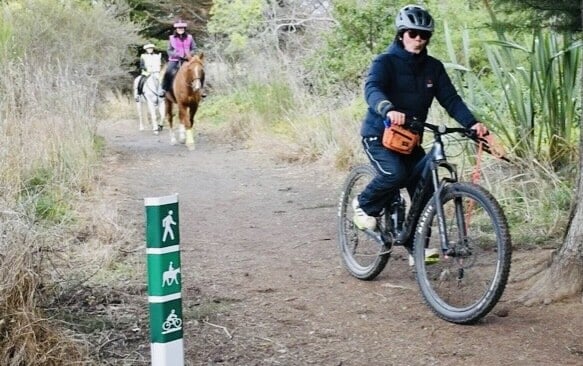
With respect to equestrian access, the researcher found there is very limited mention of equestrians throughout all strategies. In fact, Kaikōura District Council was the only one that mentioned equestrian services and is creating shared use trails specific for horses. He believes a view around ‘conflict between cyclists and horse riders’ is perhaps why councils do not include horse riders and also because councils have to fund for trails that are used by horses. This is one crux of the issue. A contributor to the discussion shared that because NZTA doesn’t have a mandate in its legislation to include horses, funding is almost always for walking and cycling. This means councils do not explicitly mention horse riders in funding requests, except in internal paperwork.
And therein lies the problem folks and why there are councils across the country that provide wonderful spaces and places to ride and why there are some council’s that are incredibly staunch in holding the line of exclusion.
My hope is issues raised in the Vulnerable Road User Submission currently before Select Committee and strong advocacy from The Outdoor Access Commission will lead to greater understanding from local, regional and central government decision makers and their policy team around what is perhaps the unintended consequence of ill-informed legislation. Time will tell, but I do know that every issue requires a champion and the equestrian community is backing itself and asking that we do better.