Bicycles on the footpath. It’s a conversation that’s taken place in community before and the landscape has somewhat changed since the 2017 round of consultation.
Now with the popularity of e-bikes and e-scooters there is even more concern within the visionally impaired community as to the direction the Minister of Transport and roading authorities will take in June 2026.
Currently pedestrians, mobility devices and wheeled recreational devices like skateboards, push scooters and e-scooters are allowed to use the footpath. Small bikes with a wheel diameter less than 355mm are permitted and posties on bike.
A proposal to allow children 12-years and under to ride a bike on the footpath is being pitched to community. Another proposal is to allow people to ride e-scooters in cycle lanes.
According to NZTA documents, young cyclists face higher risks when riding on the road and many children already ride on the footpath despite it being illegal to do so.
The Trust wanted to understand Blind Citizens New Zealand’s perspective and also spoke with a visually impaired community advocate, whose mode of transport varies – foot, bike and the horse for recreation.
Blind Citizens New Zealand, chief executive Rose Wilkinson says we need to remember who footpaths were created for. People on foot. She says the blind and visually impaired community shouldn’t bear the burden of on-road problems. There are enough hazards on the footpath to contend with as it is.
Approximately 180,000 people in New Zealand self-identify as blind, deafblind or have low vision. This figure is expected to grow significantly due to the country’s aging population.
Rose Wilkinson says its organisation is fielding concern from people within the community. Currently the e-scooter is causing a lot of trauma because of the speed in which they are used, and they become trip hazards when they are parked anywhere. E-bikes are another concern as they are popular and can be ridden by children. They are faster, heavier and have the ability to cause serious injury.
She says no rule is going to be steadfast as there are always people who will disobey.
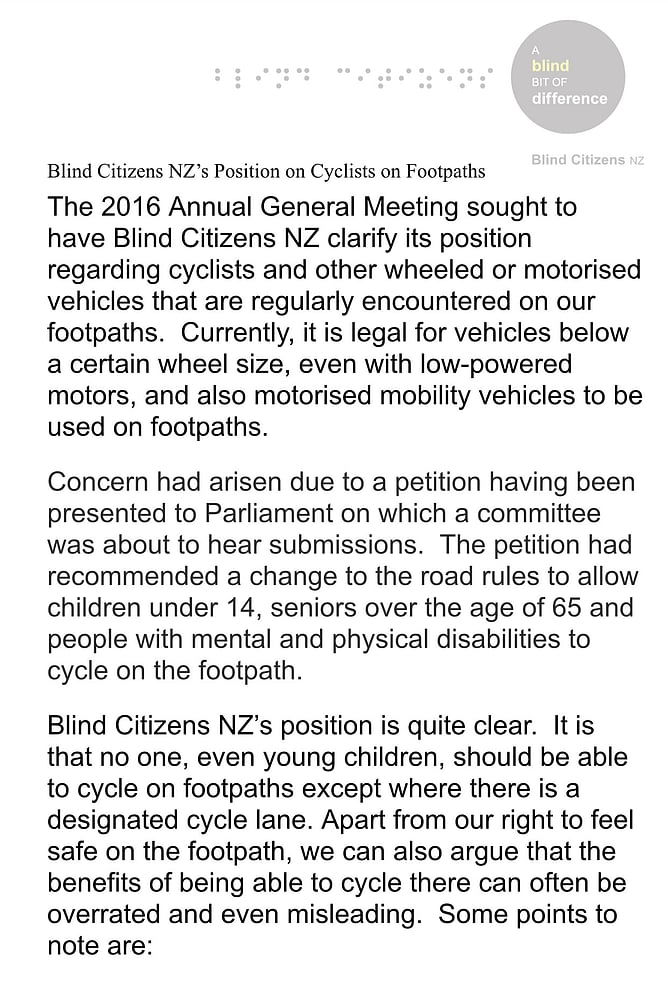
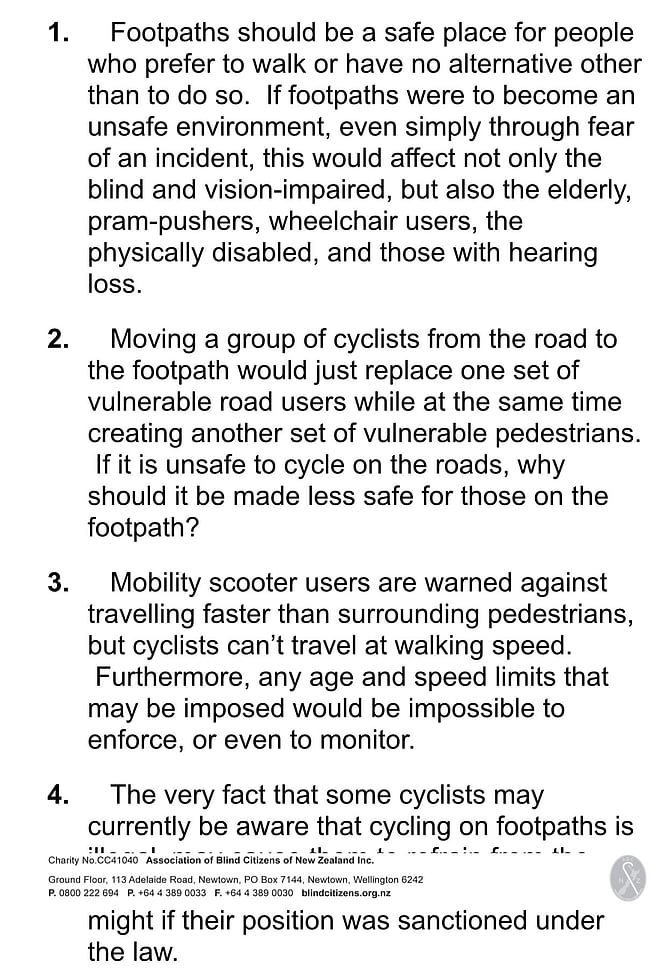
She says Blind Citizens NZ’s position remains the same as it was in a 2017 submission to NZTA.
Rose Wilkinson says the consequence of people feeling fearful of their safety on the footpath will result in people staying at home. This is not something we would like to see happen or the reliance on a taxi.
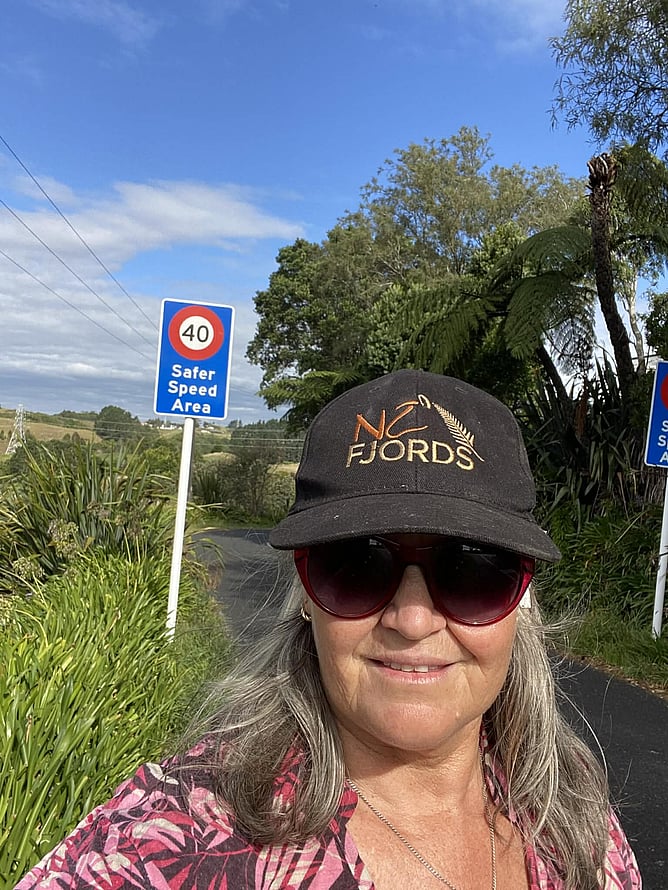
For New Plymouth resident Halina Sarten her form of transport is not the car but on foot or by bike.
She says the issue is emotive and also controversial because you’re somehow being asked to pick between children, adults and vulnerable people. But she says, we need to have safe and accessible footpaths that work for the elderly and people with a disability. This is their ONLY safe place. Footpaths need to be kept safe.
She says e-bikes are faster and heavier and therefore can cause more damage than a bike. “I’m not sure if children ride e-bikes but if it is made legal for 12-year old’s to be allowed to ride their bike on the footpath then that will naturally lead to older children doing so. Noone is going to carry out ID checks, so riding e-bikes is likely.”
As it stands small bikes or push scooters can be ridden by young children on the footpath, and she says let that be enough. “Keep as much wheel activity off the footpaths. No to e-scooters which simply travel too fast."
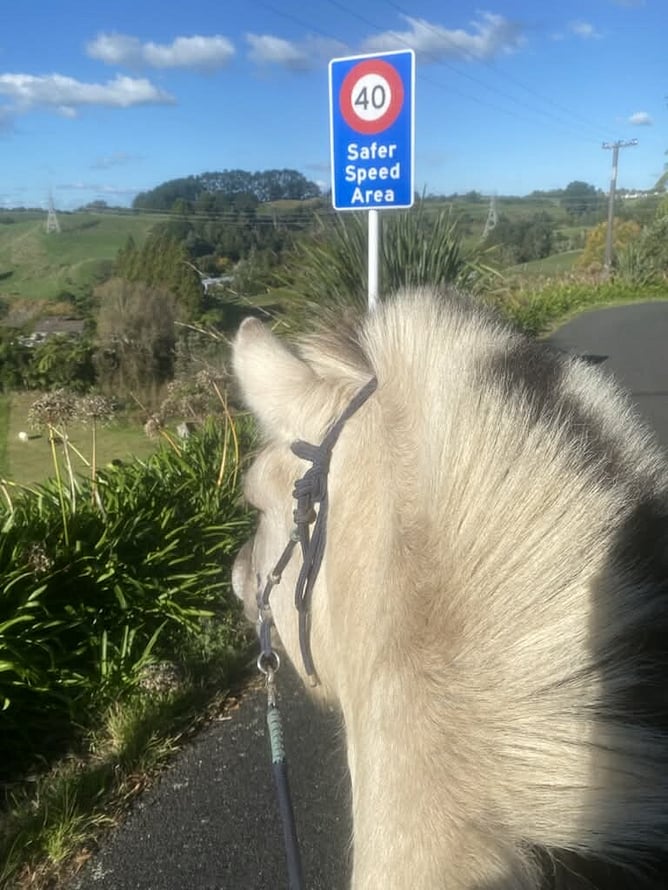
Halina proactively advocates on issues that have a direct impact on visually impaired residents in her community. She’s identified a lack of footpath in the central New Plymouth area and problems at intersection and pedestrian crossings, and her most recent advocacy saw vulnerable road users petition a proposed speed increase in their community, resulting in a Safe Speed Zone of 40km put in place.
The Trust wishes to thank Blind Citizens New Zealand and Halina Sarten for sharing their point of view on NZTA Lane Improvement proposals. The deadline for public feedback is March 25.