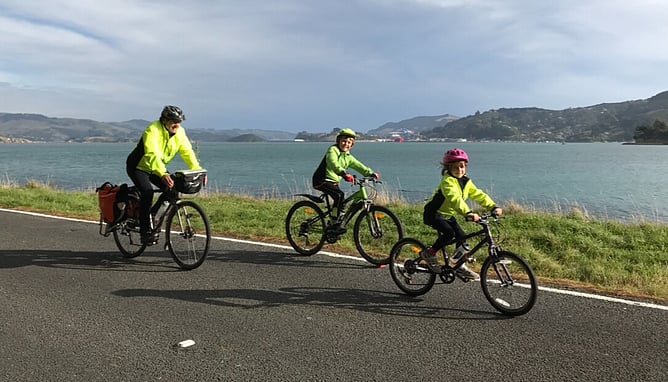
Reaction to a mandatory minimum passing distance from within the cycling community is now turning to the detail – how drivers will be educated, but more importantly how a mandatory passing gap will be enforced.
For years vulnerable road users have campaigned for a passing distance that has teeth – why? Because the stories are the same amongst cyclists and horse riders. Close passing is endangering the lives of people on foot, two wheels and horse-back, and it's reflected in injury and fatality statistics.
Spokes Dunedin committee member Fraser Stephens says his first reaction when learning NZTA was consulting on a minimum mandatory passing distance was “this is a no brainer”. He says he moved from the UK 8 years ago and close passing is a lot worse in NZ because there is no law, and the current recommendation to pass cyclists at 1.5m is not enforced.
“How it is policed will be the big issue because this is the “weak spot” currently. “…if Police continue to turn a blind eye then nothing will change. I have reported numerous dangerous overtaking incidents to *555, stating too that I have video evidence and nobody ever follows up.”
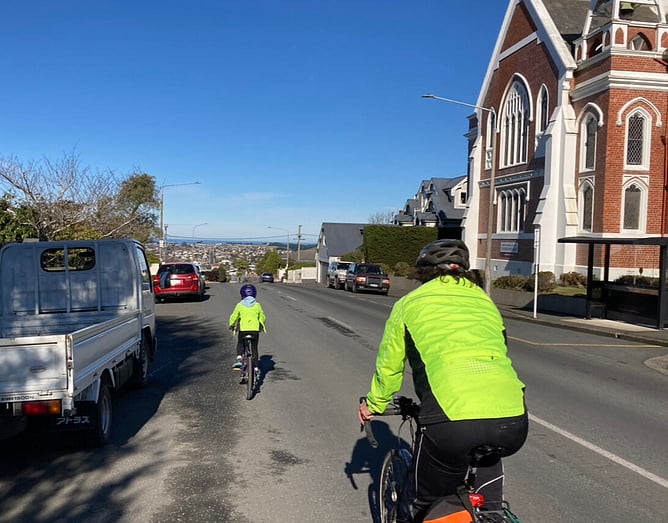
Fraser Stephens says its feedback is for a blanket 1.5m mandatory minimum passing distance of cyclists at all speeds. This is for consistency of messaging.
He says what is missing from the proposal is detail around how drivers are expected or allowed to overtake at 1.5m, and by that he says drivers need to know they can cross the centre line if it is safe to do so in order to give appropriate space in passing. He says educating the public around why giving space is important will be critical. “…the campaign in the UK was on national television” and the newspapers.
He says reducing speed when passing vulnerable road users is another area of concern and says people hit at 50km can be badly injured. He cites Wales which has reduced speeds to 30km on all its urban roads (wherever there is a street light) because of this.
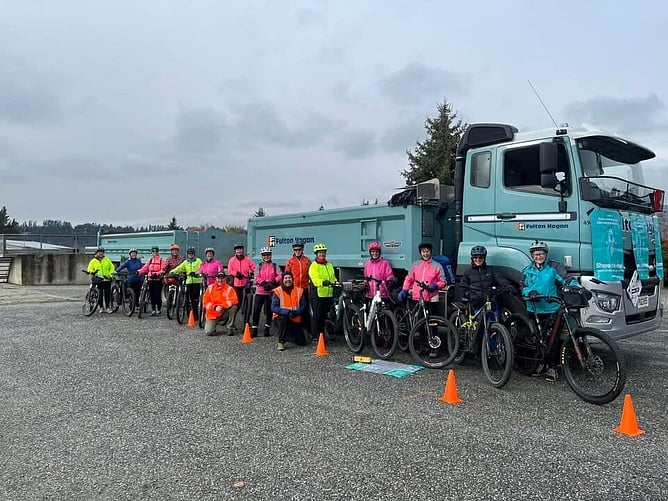
Recreational Cycling advocate Chris Foggin, who has dedicated 30-years of his working life to cycling education in road safety and trail etiquette, both in New Zealand and the UK says a mandatory minimum passing distance sends a clear message of what is expected of drivers. But more importantly he thinks it’s the start of introducing a mindset change for those people who drive terribly around vulnerable road users. Now it may be a case of “I’ve got to give them space”. He says it may help change the attitude of drivers who are unaware or ignorant and whiz past.
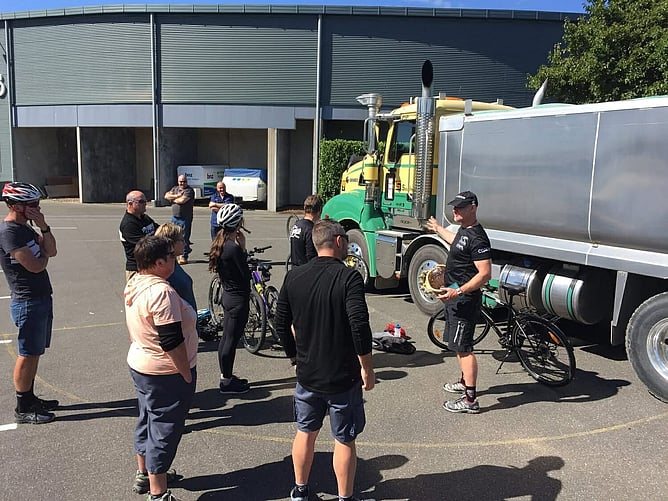
Chris Foggin says if the Rule Change is introduced, there needs to be more education around how to pass a VRU safely “as we have decades of drivers who haven’t had to upskill and they need to know that when it’s safe to do so – no oncoming traffic or yellow solid line - they can cross the centre line and pass a walker, cyclist or horse rider. Drivers must also know what cyclists are taught in order to keep themselves safer and that is - cyclists should be 1m out from the curb so they are in a visible position. “There are some drivers who think cyclists should be almost riding in the gutter.”
He says the proposal lacks detail and could have been more explicit to show people what a safe manoeuvre looks like for trucks and cars. “All of this information exists because it’s been taught for years as part of the NZTA funded Bike Ready Programme.
He too questions whether NZ Police will and can take a prosecution from video footage because without video footage, how do Police carry out an accurate measurement?
Bike Auckland spokesperson Sue Chadwell says they are finalising their submission but welcomes a mandatory minimum passing distance rule. She says cycling advocates are meeting in Auckland this weekend for the CanDo annual conference and expects it to be discussed ahead of the submission deadline on 25 March.
Cycling Action Network, which provides a national voice for everyday cyclists says in its feedback to NZTA that the passing distance rule must be simple to communicate and says the greatest benefit will come when drivers understand the rule and therefore comply with it. It suggests a blanket 1.5m passing distance on all roads to help drivers remember.
Bike Waikato welcomes a minimum passing distance which has been campaigned for over many years and says “inadequate passing from drivers is often cited by people riding bikes as a significant risk”
It says the rule of 1.5m in passing should be set at 50km speed zones so it covers the majority of residential, urban streets where people are most likely to be riding.
Its submission also requests the rule be made clear that the passing distance applies even where there is bicycle infrastructure. It too suggests there needs to be more education for drivers on how to pass vulnerable road users safely – agreeing with NZTA that “there may be challenges in tight spaces, like narrow roads or busy streets, where drivers may have to slow down or wait longer before overtaking.”